In today’s bustling digital art marketplaces, many collectors and art lovers face a frustrating problem: their favorite independent artists are being overshadowed, if not outright buried, by a flood of AI-generated listings. You might be searching for a unique $200 print from an emerging creator, only to see page after page of algorithmically generated imagery dominating your results. This issue isn’t just an inconvenience—it how to confirm artist attribution touches on core questions of trust, provenance, artist attribution, and how digital marketplaces handle disclosure in an era of high-volume generated imagery.
Defining Provenance: The Cornerstone of Trust
Before diving into the marketplace challenges, let’s clarify a key term: provenance. Simply put, provenance is the documented chain of ownership and authenticity that accompanies a work of art. One client recently told me made a mistake that cost them thousands.. It’s a practical buyer safeguard ensuring that the art you’re purchasing is genuine and that the artist’s identity is verifiable.
In physical art markets, provenance often involves certificates, gallery records, or past auction history. Trusted digital marketplaces are beginning to apply this concept online with artist biographies, verified profiles, and traceable transaction records, helping buyers avoid unknowingly purchasing AI-generated or plagiarized work.
Algorithmic Displacement: When AI Listings Dominate Search Visibility
Here's what kills me: one major reason your favorite artist is often getting buried is what industry insiders sometimes call algorithmic displacement. Digital art platforms often rely on search and recommendation algorithms designed to maximize content volume and engagement. AI-generated imagery has exploded in volume because it’s cheap and fast to produce, resulting in millions of listings flooding marketplaces.
These algorithms don’t always privilege quality, provenance, or artist identity—they often favor sheer quantity and newly uploaded listings. The result? Genuine works, even from artists with loyal followings or well-documented histories, get pushed far down the search results.
- High-volume generated imagery floods the marketplace, saturating categories with similar, algorithmically optimized thumbnails. Artists charging reasonable prices around $200 find themselves obscured by thousands of AI listings priced far lower or marked as freebies. This bulk of AI art often lacks clear origin stories or attribution, confusing buyers about what is truly original.
The Importance of Artist Attribution and Transparent Biographies
Buyers want to feel connected to the artist how to label AI-assisted art when purchasing digital art. Yet many marketplaces are inconsistent about showing detailed biographies or verifying artist identities. Without this, the human story behind a $200 original print can be overshadowed by faceless AI content.. Exactly.
Platforms like Noirci Studio have started emphasizing transparency by requiring artists to provide robust bios and links to verified social media or websites. This practice helps highlight credible creators and builds buyer confidence.
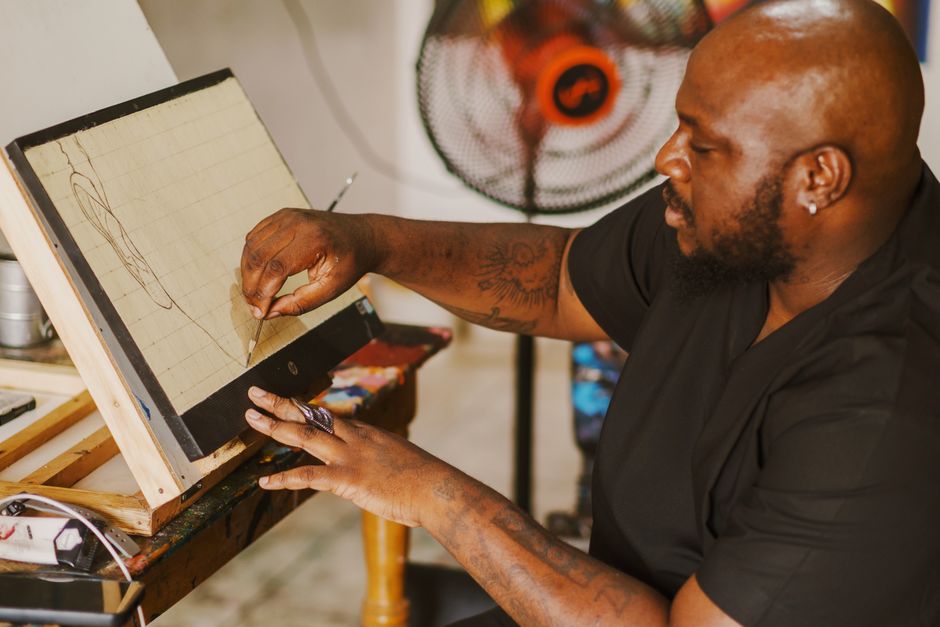
“Art is as much about story and creator as it is about style,” Noirci notes in its approach. Providing clear artist attribution also acts as a bulwark against rampant AI flooding—buyers can trust they’re supporting a person, not just a mass-produced image output.
Disclosure Expectations for AI-Generated Imagery
Transparency around AI usage remains a thorny topic. Many marketplaces lack consistent policies to label or disclose AI-generated work, leaving buyers guessing whether a listing is handcrafted or machine-produced.
Newsweek recently reported on the need for clearer standards, stating: “Consumers deserve to know upfront when art leverages AI tools, to make informed purchases.” This aligns with growing calls for marketplaces to implement AI-content flags or filtering options, improving search visibility for traditionally created art.
Disclosure can take many straightforward forms:
Tags or badges clearly marking AI-generated listings. Mandatory artist statements indicating what tools or processes were used. Filters allowing buyers to exclude AI listings or sort by provenance-verified works.Practical Buyer Verification Checklist: Navigating Flooded Marketplaces
If you’re feeling overwhelmed, here’s a quick checklist to protect yourself and find your favorite artist despite the algorithmic flood:
Verification Step Why It Matters Action Check Artist Biography Authenticity and personal connection Look for detailed bios with links to social media or portfolio sites Confirm Provenance Ensure you’re buying genuine work Ask for certificates or documentation, or verify via marketplace records Look for AI Disclosure Know what you are actually buying Search for badges or tags indicating AI generation, or ask the seller directly Use Filters Refine search results for clarity Use platform filters to exclude high-volume generated imagery Evaluate Pricing High-volume AI art may be underpriced Be wary of ultra-low priced works that seem mass-produced when you want unique artConclusion: Advocating for Fair Visibility and Buyer Trust
The challenge of algorithmic displacement and search visibility issues in digital art marketplaces is not going away anytime soon. As AI tools continue to democratize image creation, the volume of generated content will only increase, further complicating buyer decisions.
Buyers and artists alike need marketplaces to adopt trust-building measures: clear provenance documentation, transparent artist attribution, and honest AI usage disclosure. When you search for a beloved $200 original, you deserve to find it easily—not have it buried beneath the noise of mass-produced AI art.
Platforms like Noirci Studio and reports from Newsweek underscore that a solution is within reach—with collaboration, transparency, and thoughtful algorithm design, digital art spaces can nurture both innovation and integrity.
After all, “trust is only real when it can be verified.”
```